Michael Mifsud
Projects
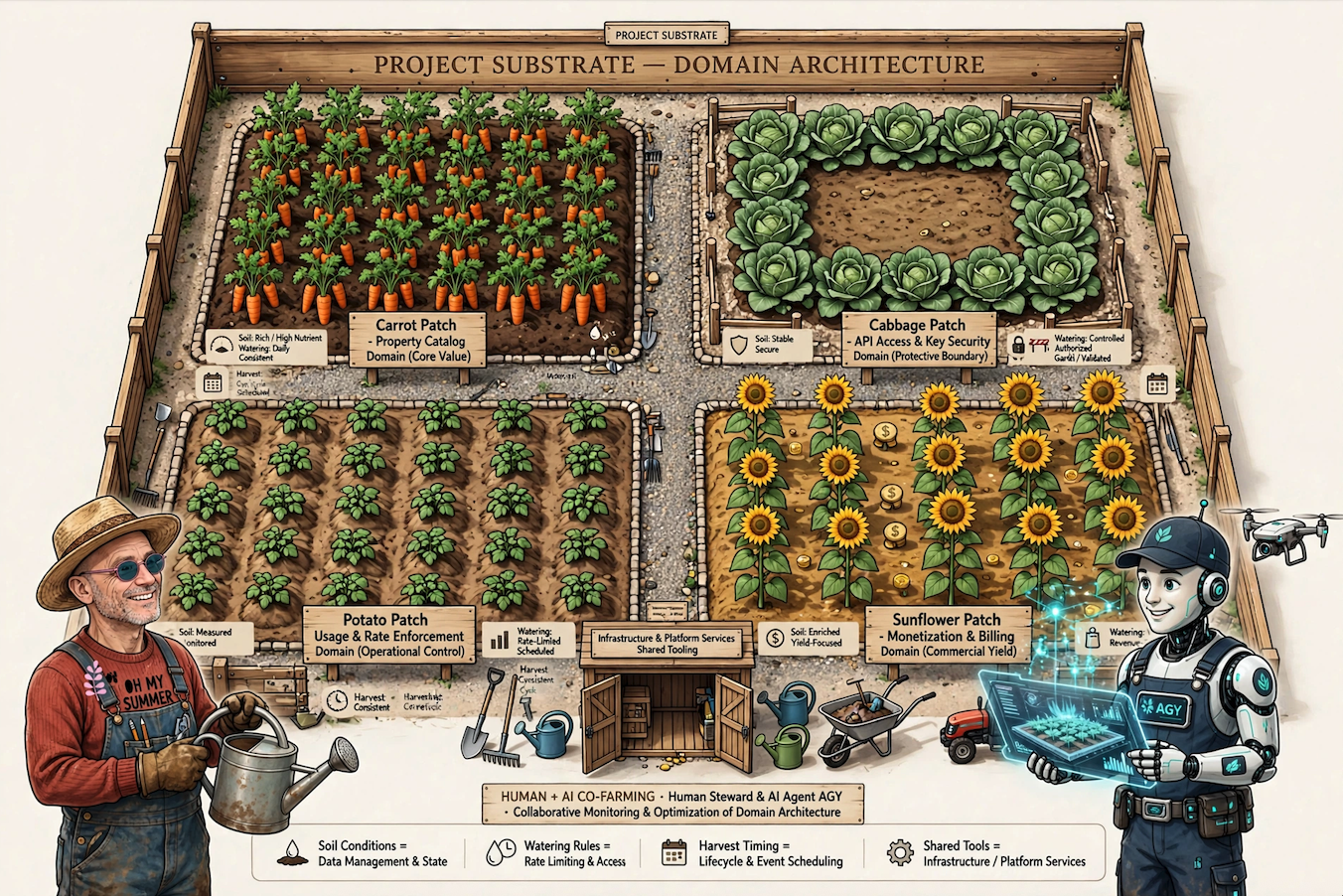 From Seed to Software: Cultivating AI-Driven Systems Through the Allotment Lifecycle2026-08-13
Why shifting from 'prompt → code' to a structured, allotment-inspired lifecycle model transforms agentic software delivery from fragile prompts into a repeatable, human-readable system.
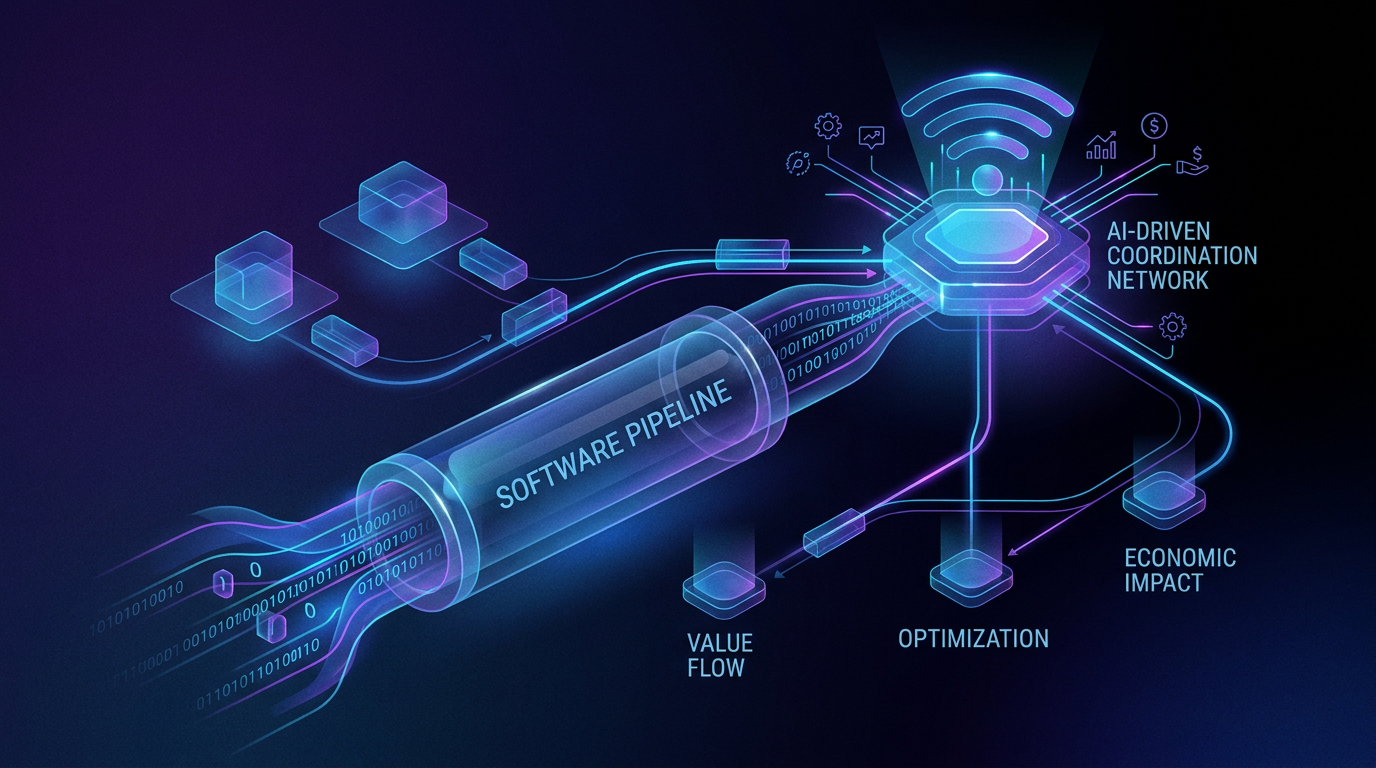 Unlocking the True Potential of AI Beyond Code2026-08-01
AI has dramatically reduced the cost of writing software. The next bottleneck in software delivery is no longer implementation, it is coordination.
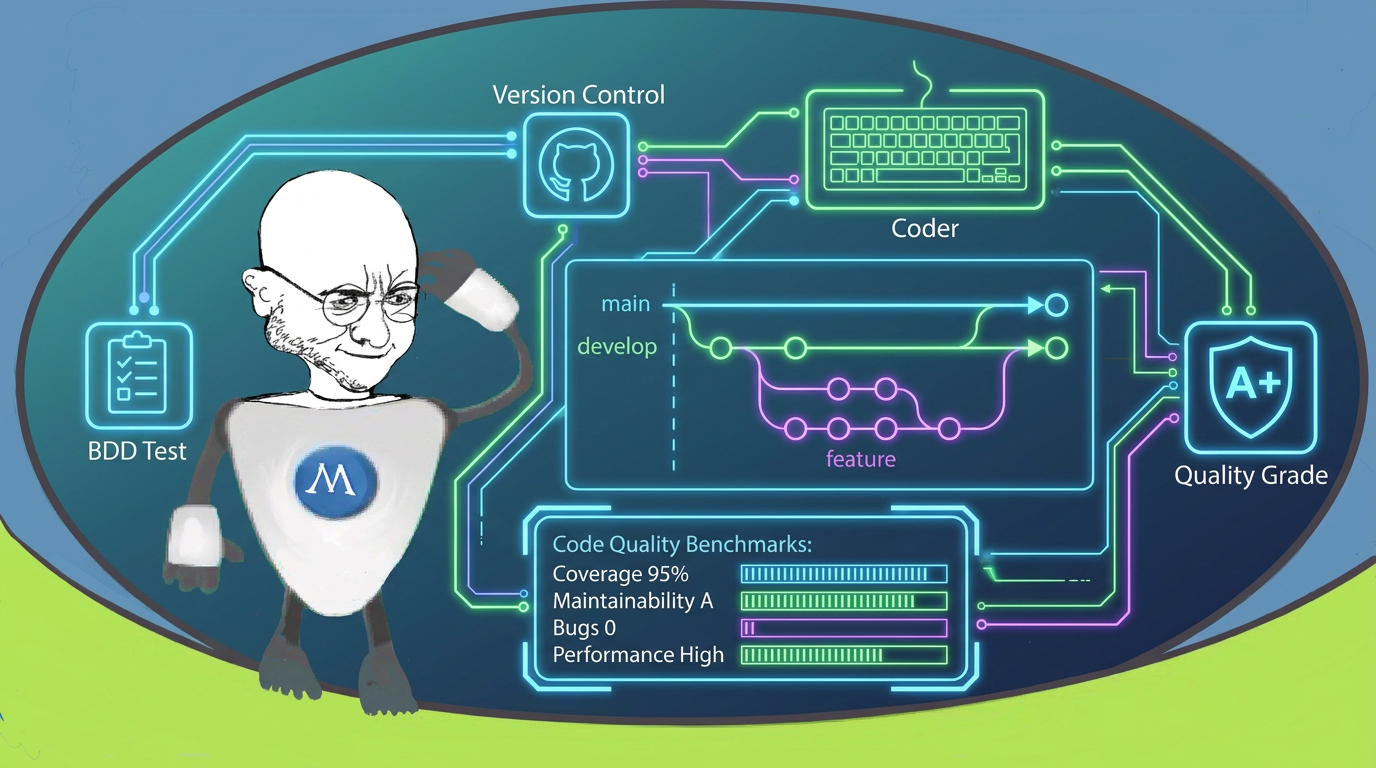 A Day in the Life of an Agentic Engineering System2026-07-28
A step-by-step walkthrough of how autonomous subagents handle version control, issue tracking, BDD testing, code implementation, and technical debt grading in a real-world production workflow.
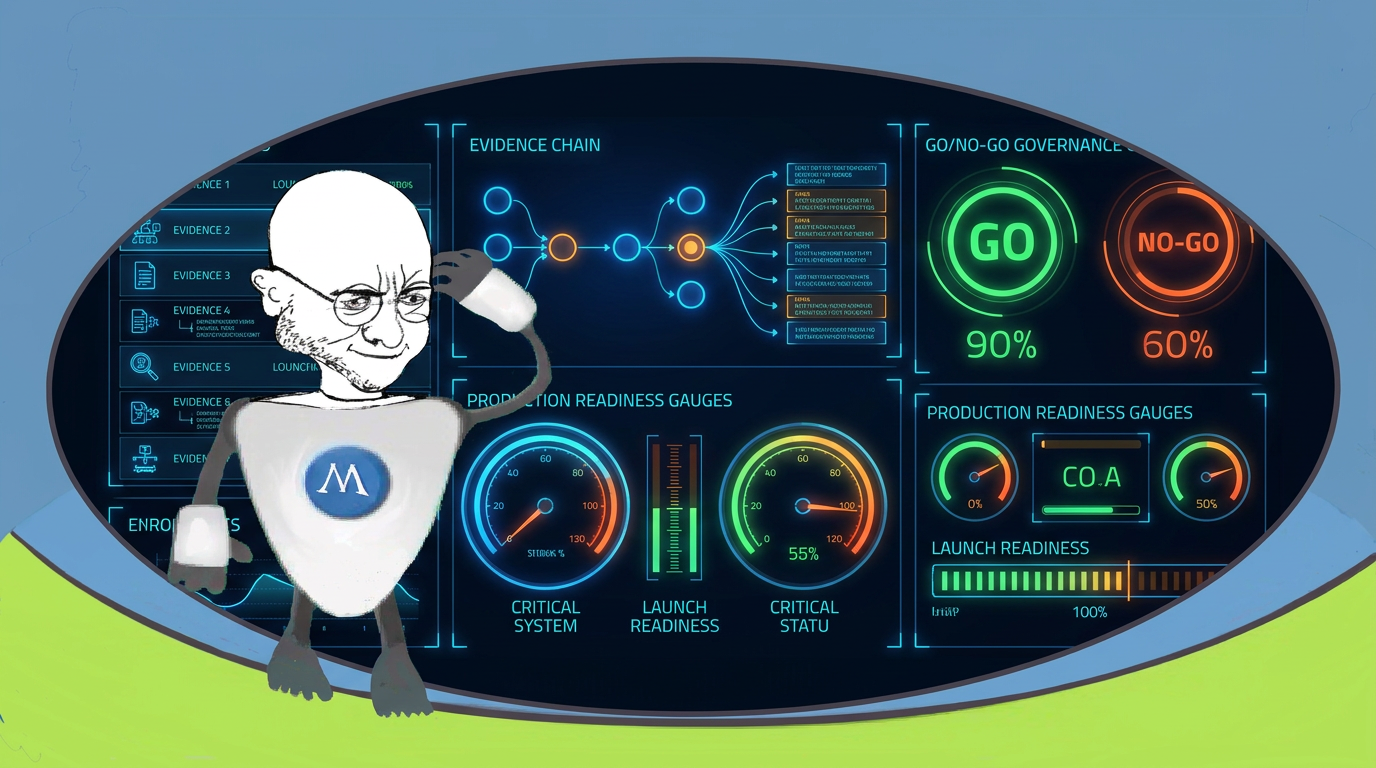 The Evidence-Driven Engineering Console: Shifting AI Workflows from Activity to Proof2026-07-28
Why traditional software dashboards fail autonomous AI systems, and how an evidence-driven control surface replaces vanity metrics with verifiable proof of production readiness.
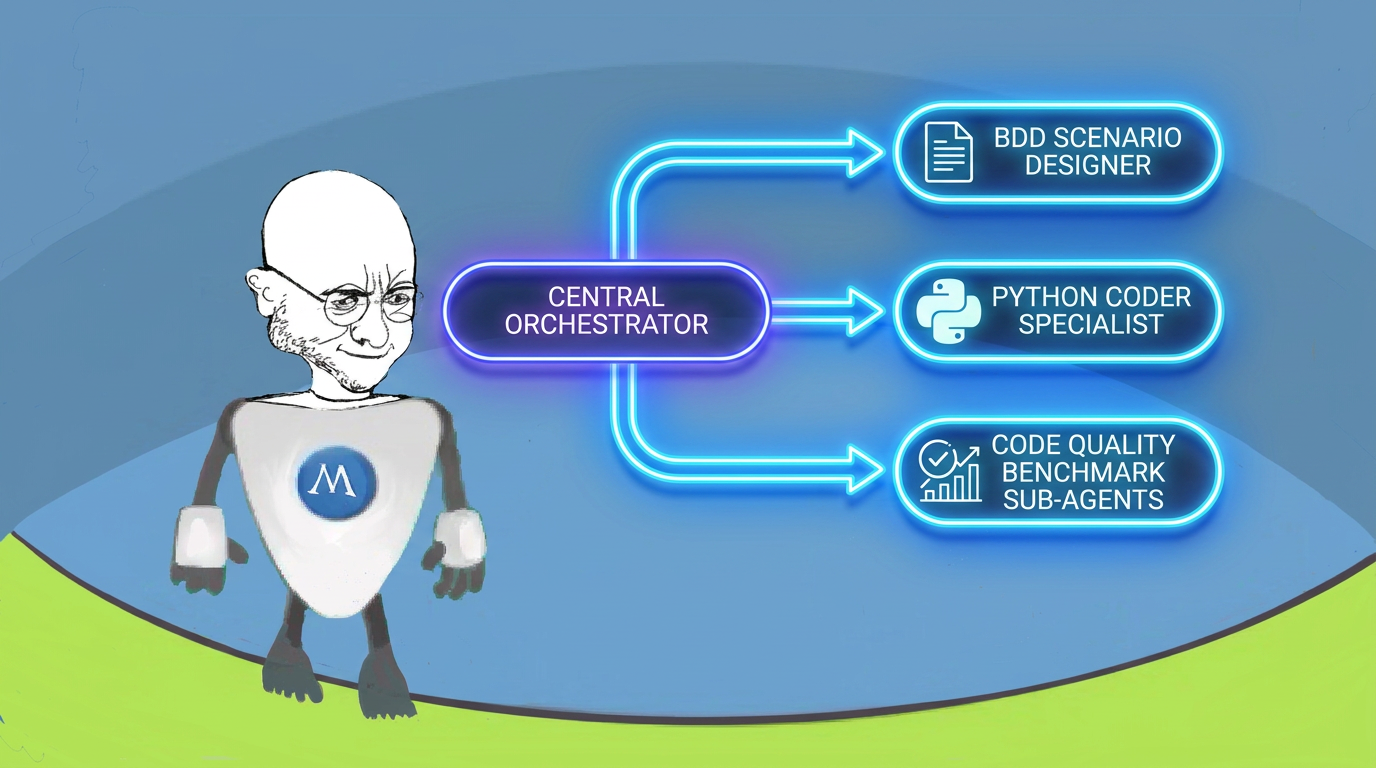 Beyond the Single Prompt: Building a Multi-Agent Engine That Closes 2 Tickets an Hour2026-07-28
Why single-prompt AI assistance fails at true software delivery, and how a distributed parallel multi-agent system shifts the SDLC bottleneck from code generation to human reading speed.
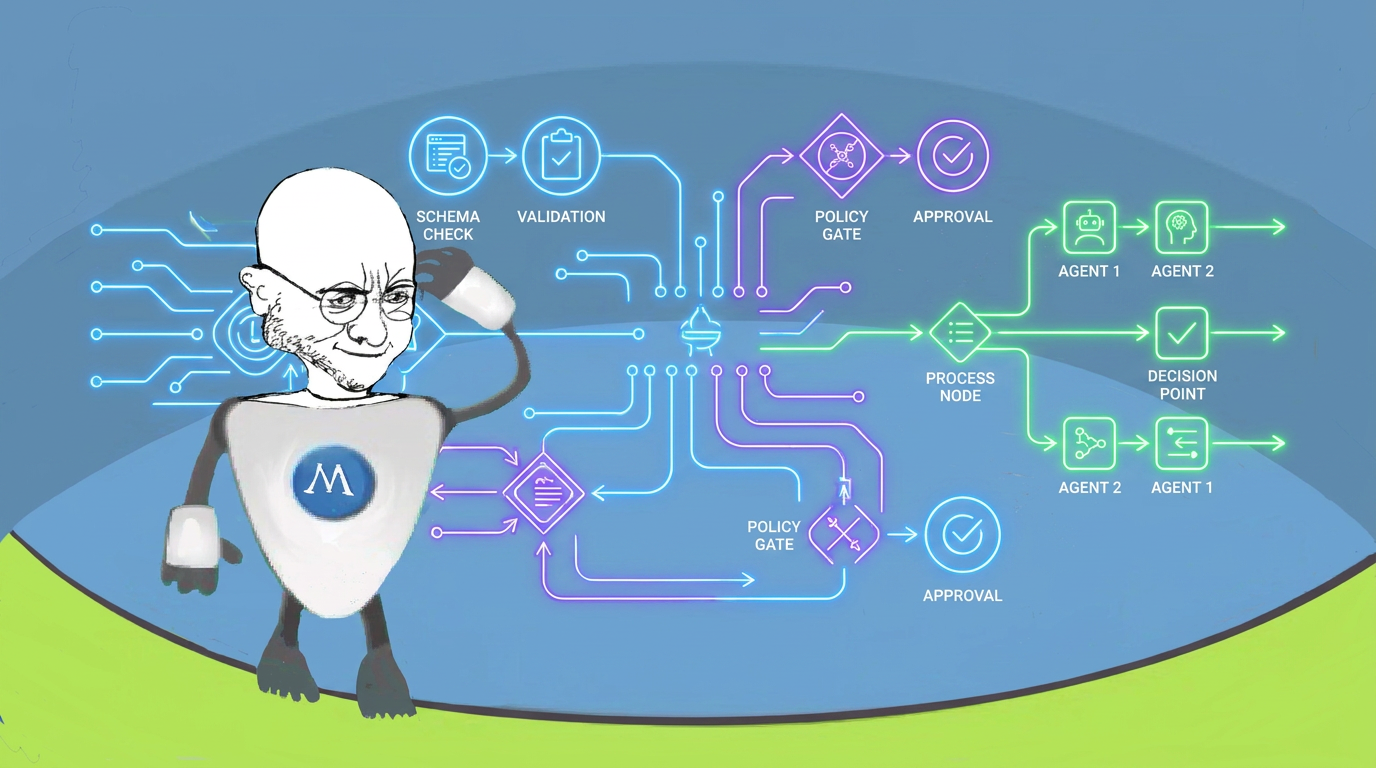 aSMOKE: Deterministic Governance for Autonomous AI Agents2026-07-27
Why prompt engineering fails to prevent quiet failures in autonomous coding agents, and how the aSMOKE framework uses deterministic schema-backed gates to enforce operational reliability.
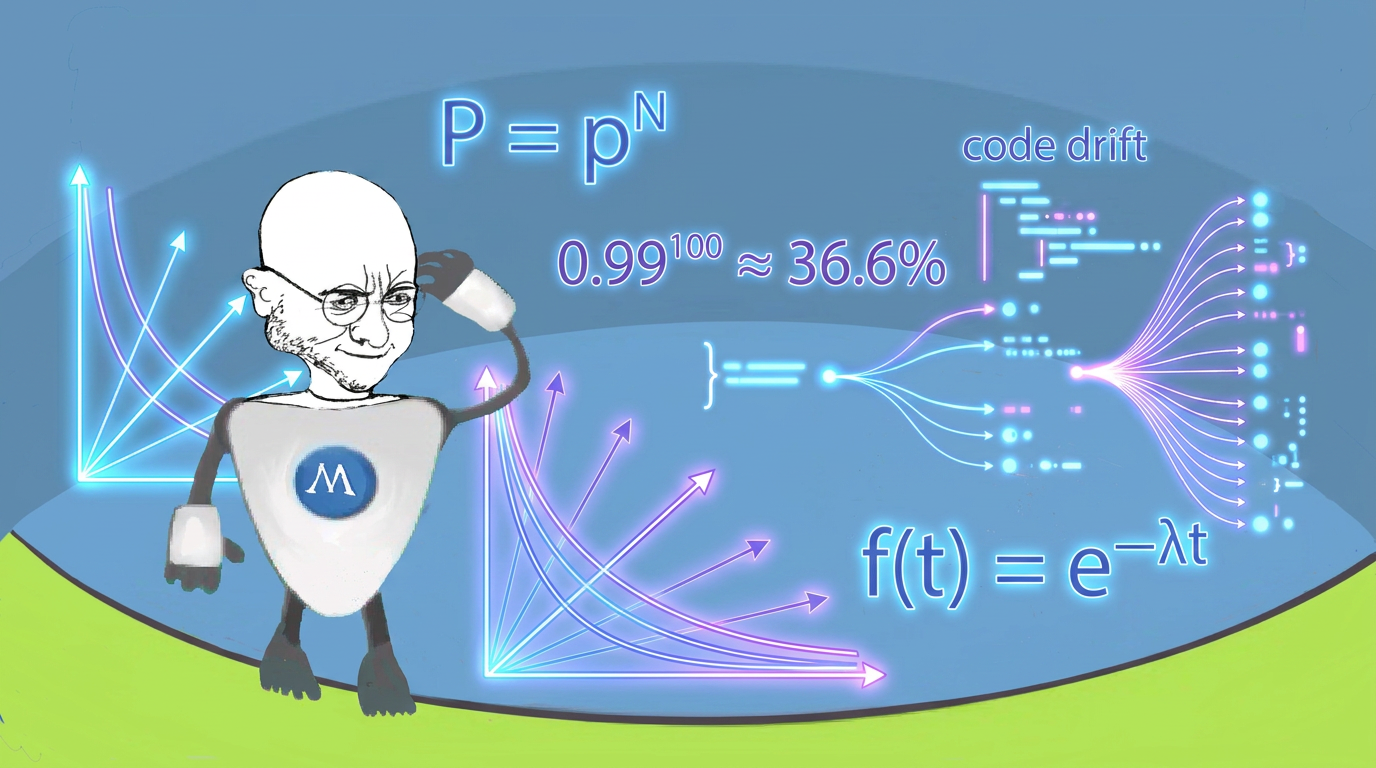 LLM Coding Drift is Mathematically Guaranteed2026-07-27
Why high per-step accuracy degrades exponentially in multi-step AI reasoning, and how compound probability threatens long-term software quality.
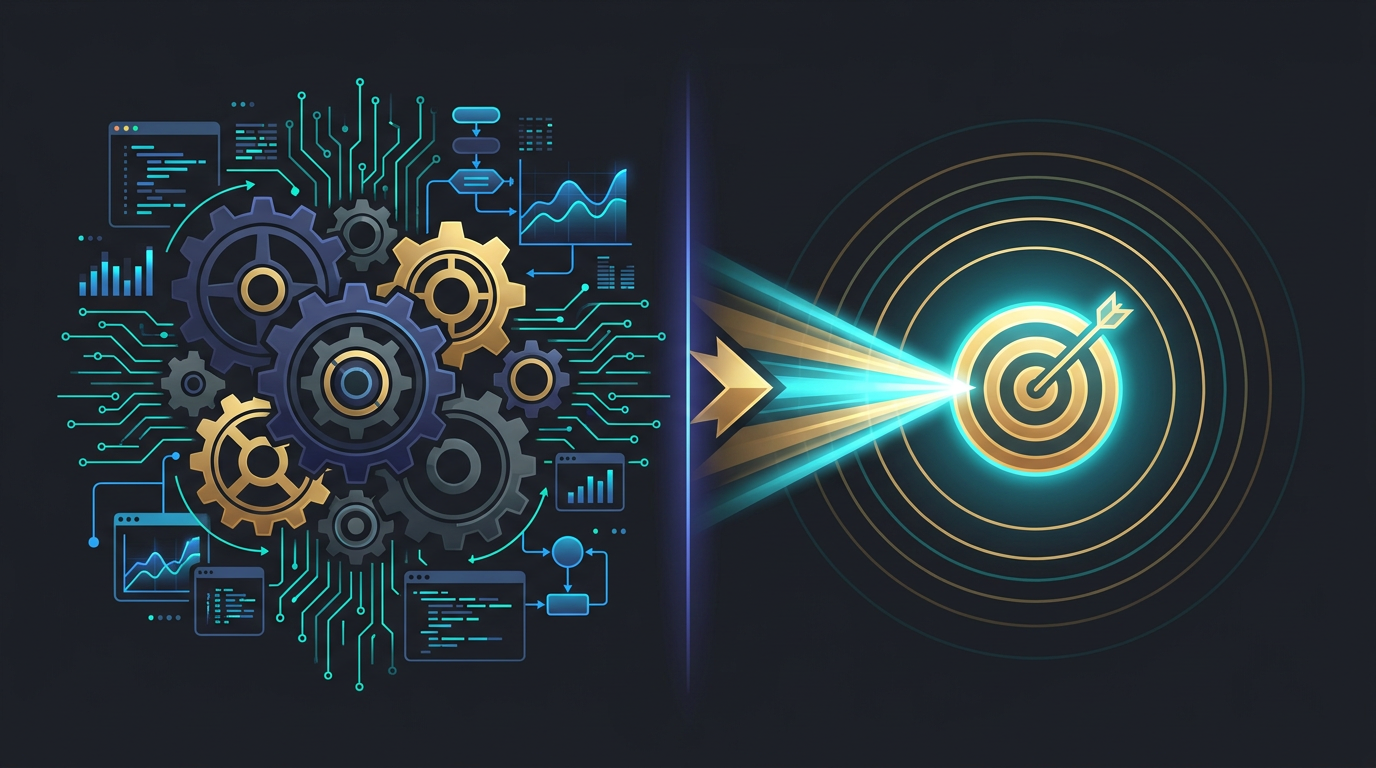 The 'So What?' Factor: Why Staff Engineers and Product Engineering Teams Think in Outcomes, Not Outputs2026-07-24
A framework for bridging the gap between technical execution and business value by repeatedly asking 'So what?' until activity translates into measurable organizational impact.
 Continuous Evaluation: The Engineering Foundation for Reliable LLM Applications2026-07-22
Why trial-and-error prompt engineering fails, and how a disciplined three-tiered evaluation workflow transforms probabilistic models into stable, production-grade software.
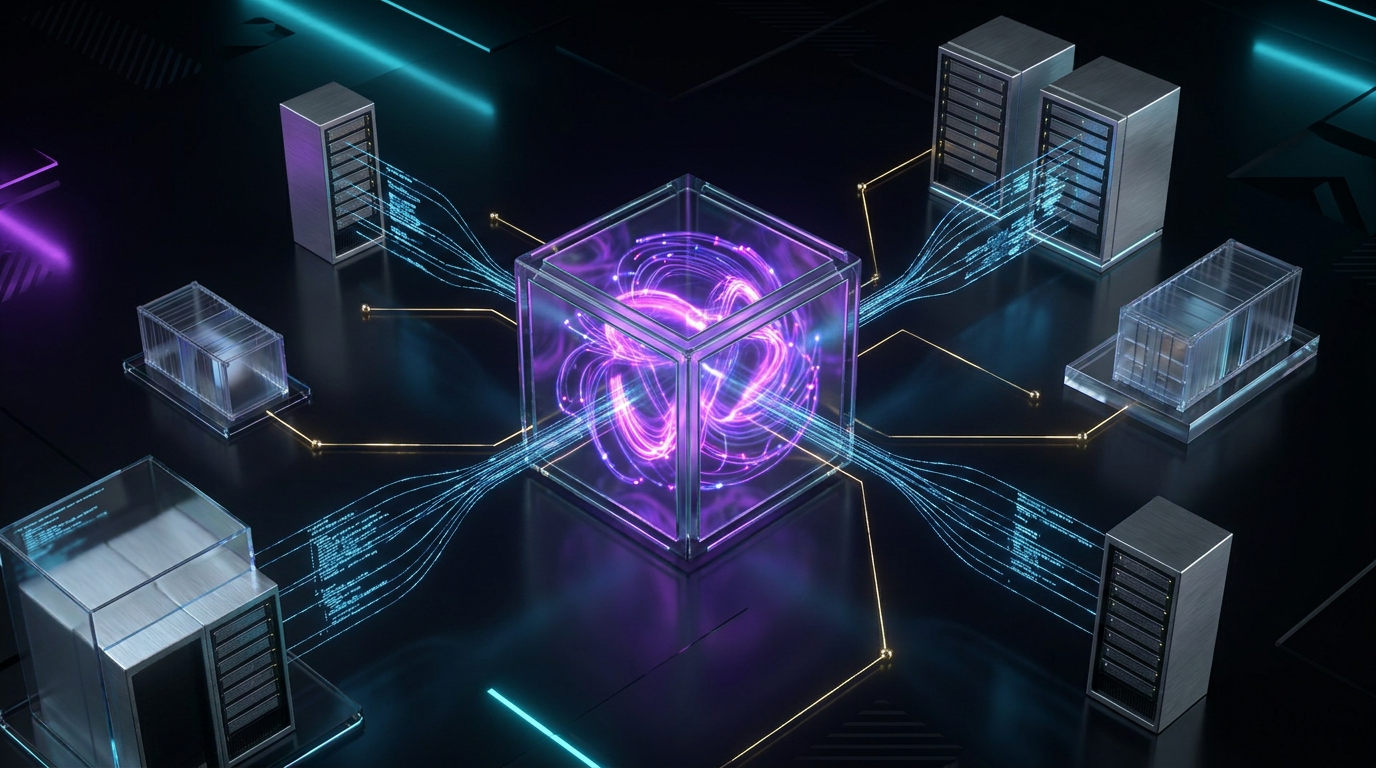 Local LLM Observability: Setting Up Langfuse for Complete Trace Visibility2026-07-22
A practical engineering guide to self-hosting Langfuse locally with Docker Compose and instrumenting multi-step Python LLM workflows with complete trace, session, and cost observability.
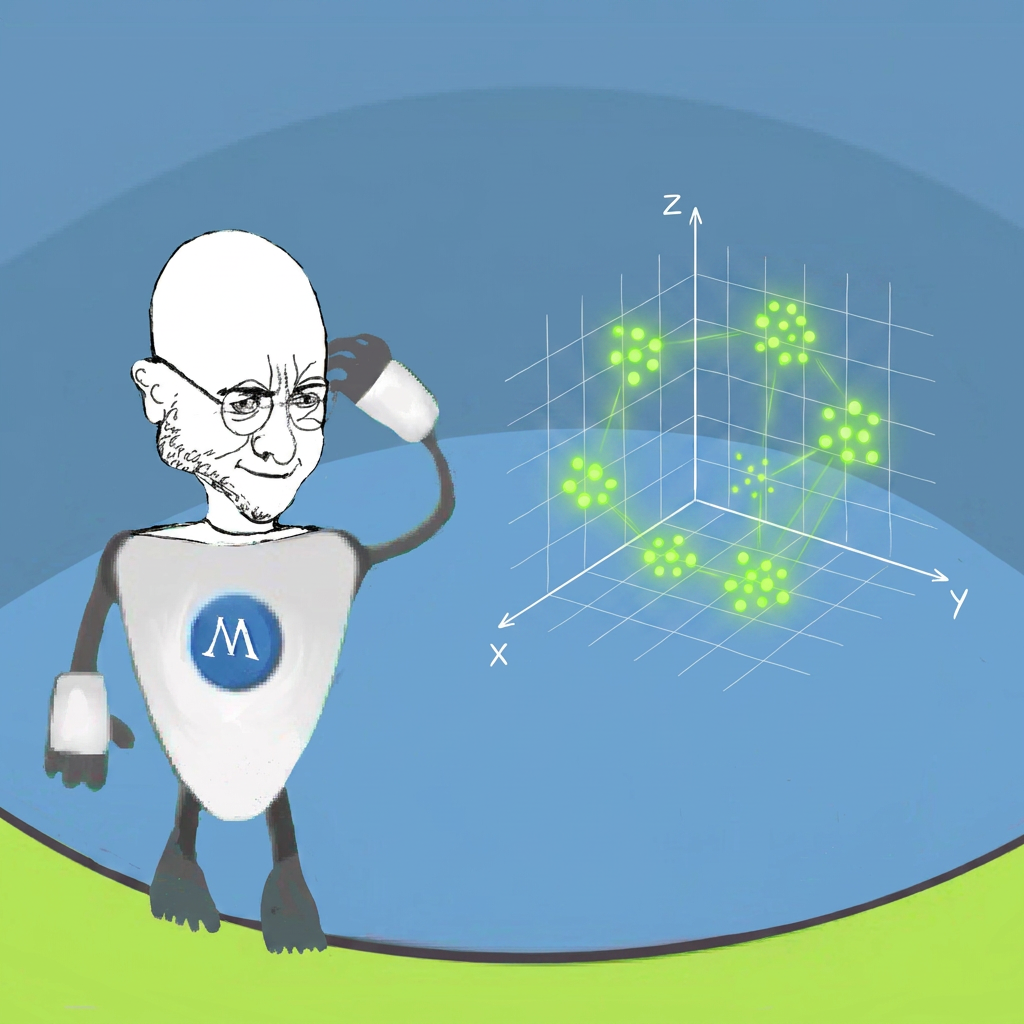 Vectors as Ephemeral Indices: Architectural Patterns for Semantic Search2026-07-20
Why treating your vector database as a primary database is a critical architectural anti-pattern, and how to build a highly decoupled, idempotent semantic search pipeline using Qdrant.
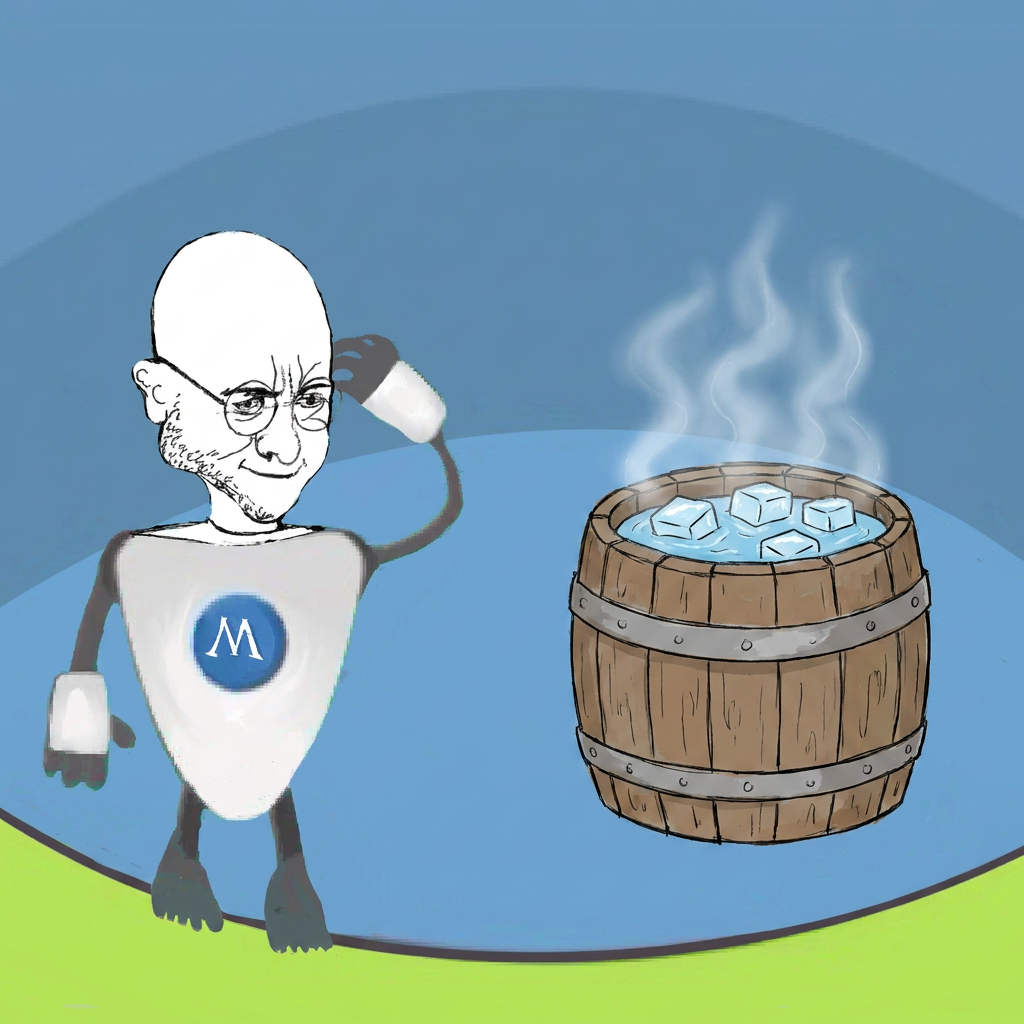 Three Minutes to Mental Clarity: Biological Hormesis and the Leverage of AI2026-07-19
Why stepping into 6.8°C water and co-programming with generative AI are driven by the same core principle: building deliberate systems that amplify decades of experience rather than remove human effort.
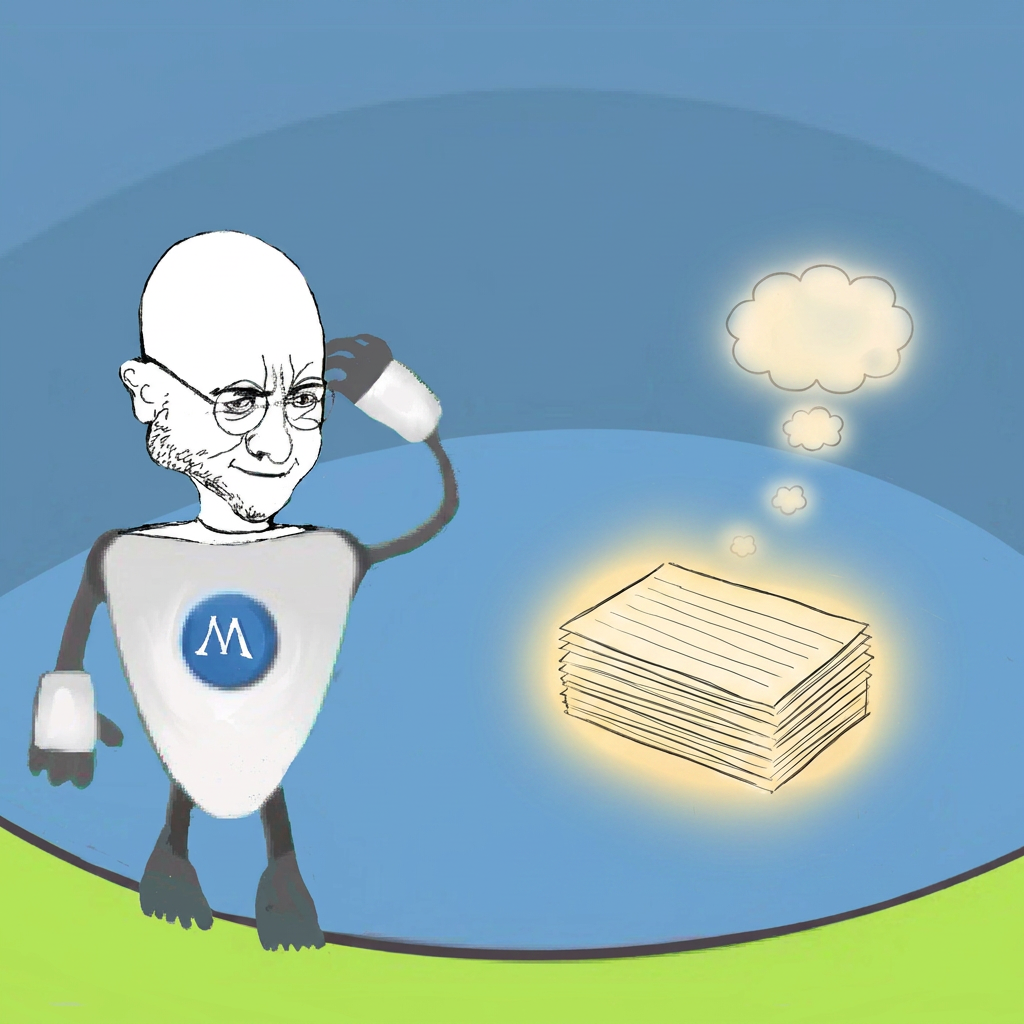 Forgetting to Forget: Why Cognitive Deletion is AI’s Next Architectural Frontier2026-07-18
Why infinite context windows are a trap, and how the disciplined practice of externalizing knowledge and structured forgetting makes AI assistants more focused, precise, and reliable.
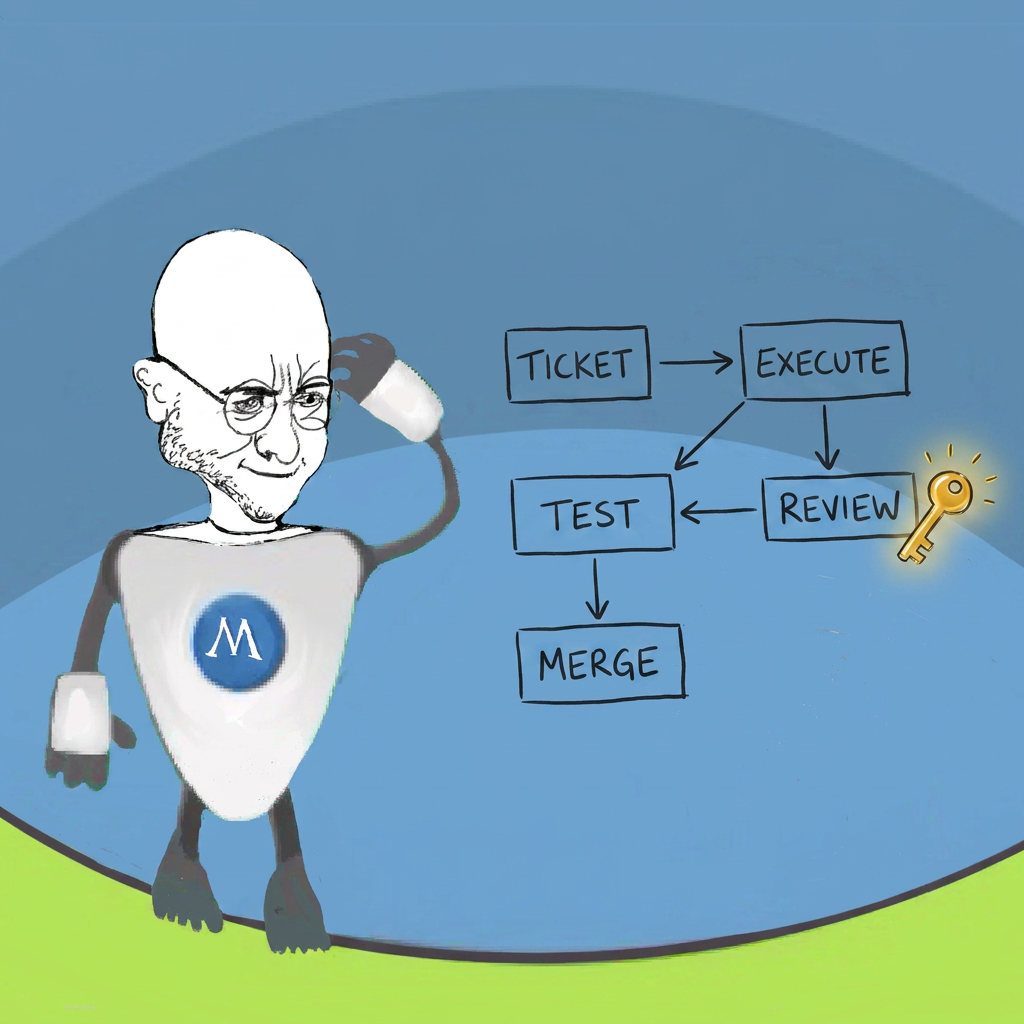 The Choreographed Agentic Workflow: Scaling AI Code Generation via Deterministic Governance2026-07-18
Why LLMs make terrible workflow controllers, and how to build a deterministic, choreographed pipeline that automates administrative overhead while preserving human architectural control.
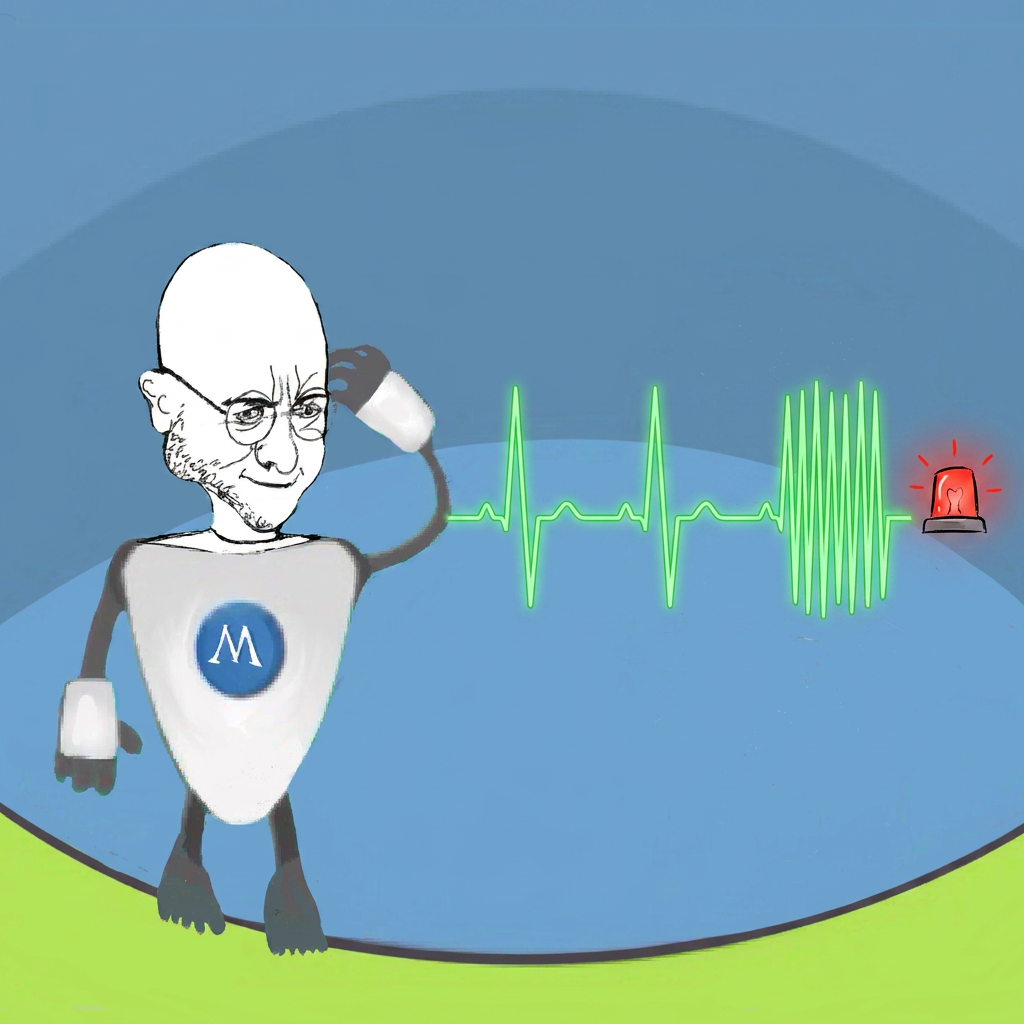 Time Between Bad Reviews: Listening to the Pulse of Operational Failure2026-07-18
Why aggregate customer ratings are a lagging illusion, and how tracking the temporal density of negative feedback serves as an early-warning radar for systemic operational collapse.
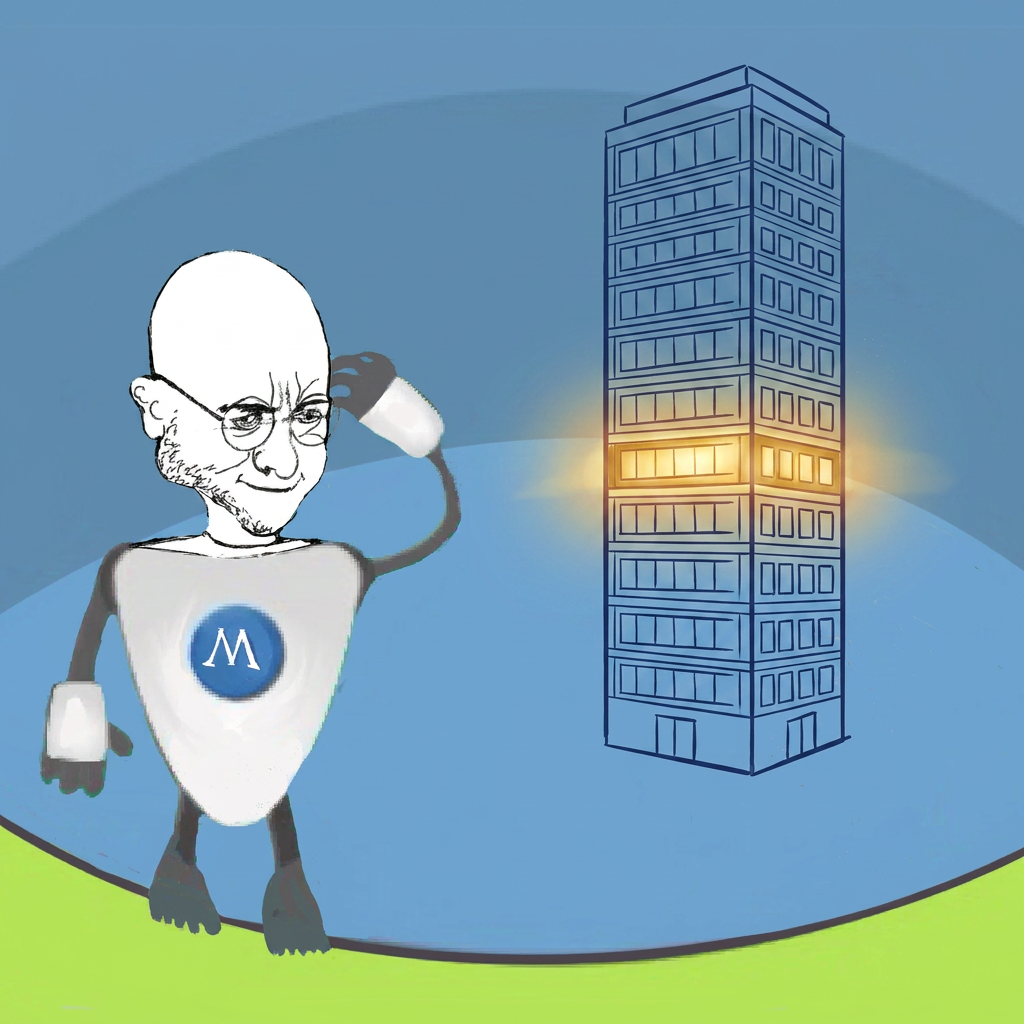 Refurbishing the Skyscraper: Modernizing Legacy Software Floor by Floor2026-07-17
How to completely rebuild complex systems while keeping them operational, proving behavioural parity at every level before dismantling the past.
- The Blind Agent Test: Proving Engineering Continuity in AI Workflows2026-07-12
Why code complete is not context complete, and how to verify that your AI coding sessions produce durable, long-term engineering memory.
- Code Generation is Not Engineering Continuity2026-07-11
Why preserving design context, constraints, and rejected alternatives is critical when building software with autonomous AI coding agents.